Building Your Loved One’s Care Team
Depending on your loved one’s needs, their care team may include neurologists, pediatricians, therapists, educators, and other specialists. Working together, these professionals can help support their health, development, and quality of life.
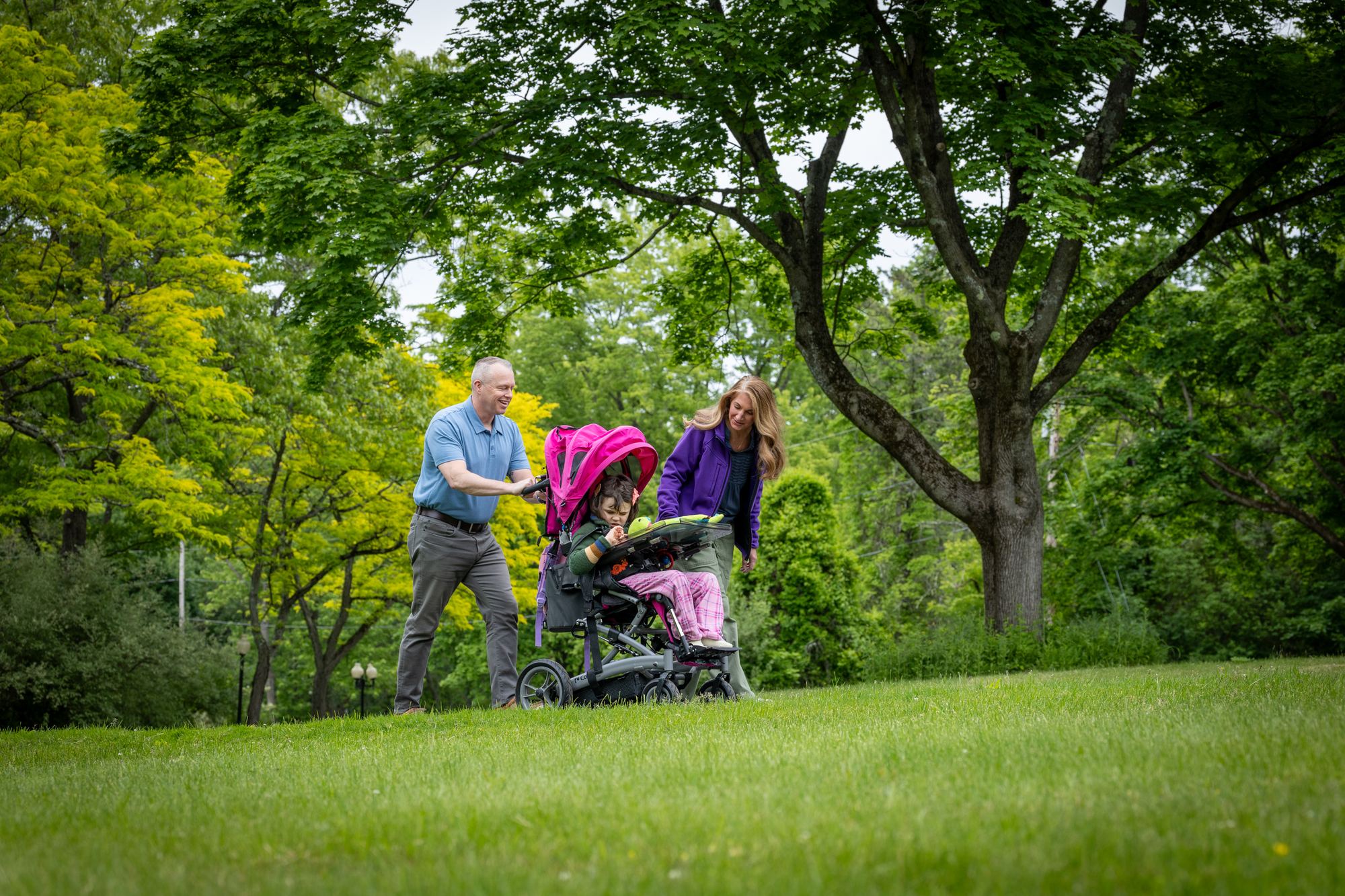



Rian, 8, with her mom and dad
Finding the Right Support

Neurology
Supports seizure management and helps guide treatment decisions.

Gastroenterology
Helps address feeding, digestion, reflux, and other gastrointestinal concerns.

Ophthalmology & Vision
Supports eye-related needs, including challenges related to seeing and the brain’s ability to interpret what is seen (visual processing).

Therapies
Physical, occupational, speech, and vision therapies support development, communication, and daily skills.

Education & School Support
Help ensure your loved one receives appropriate educational services and accommodations.

Finding Specialists
Finding healthcare providers with experience caring for individuals with CDKL5 deficiency disorder (CDD) is an important step in building your care team. CDKL5 Centers of Excellence and other specialty providers may help families access coordinated care and expertise.
Preparing for Appointments
You know your loved one better than anyone. Appointments are an opportunity to share your observations, ask questions, and work together with your care team to make informed decisions. Before each visit, consider writing down important observations, concerns, and questions so you can make the most of your time with your loved one's healthcare team.
Some topics to discuss:
- Changes in symptoms or seizures
- Progress toward treatment goals
- Questions about therapies, services, or support systems
- Priorities and concerns for your loved one's daily life
“Building a team is the most important factor. We’re all working towards one goal and objective.”
—Rishi, Hiya’s dad


Sign up for emails to get updates as more content, resources, and stories become available

